Spider Steak
The Spider Steak: A Rare, Flavour-Packed Cut
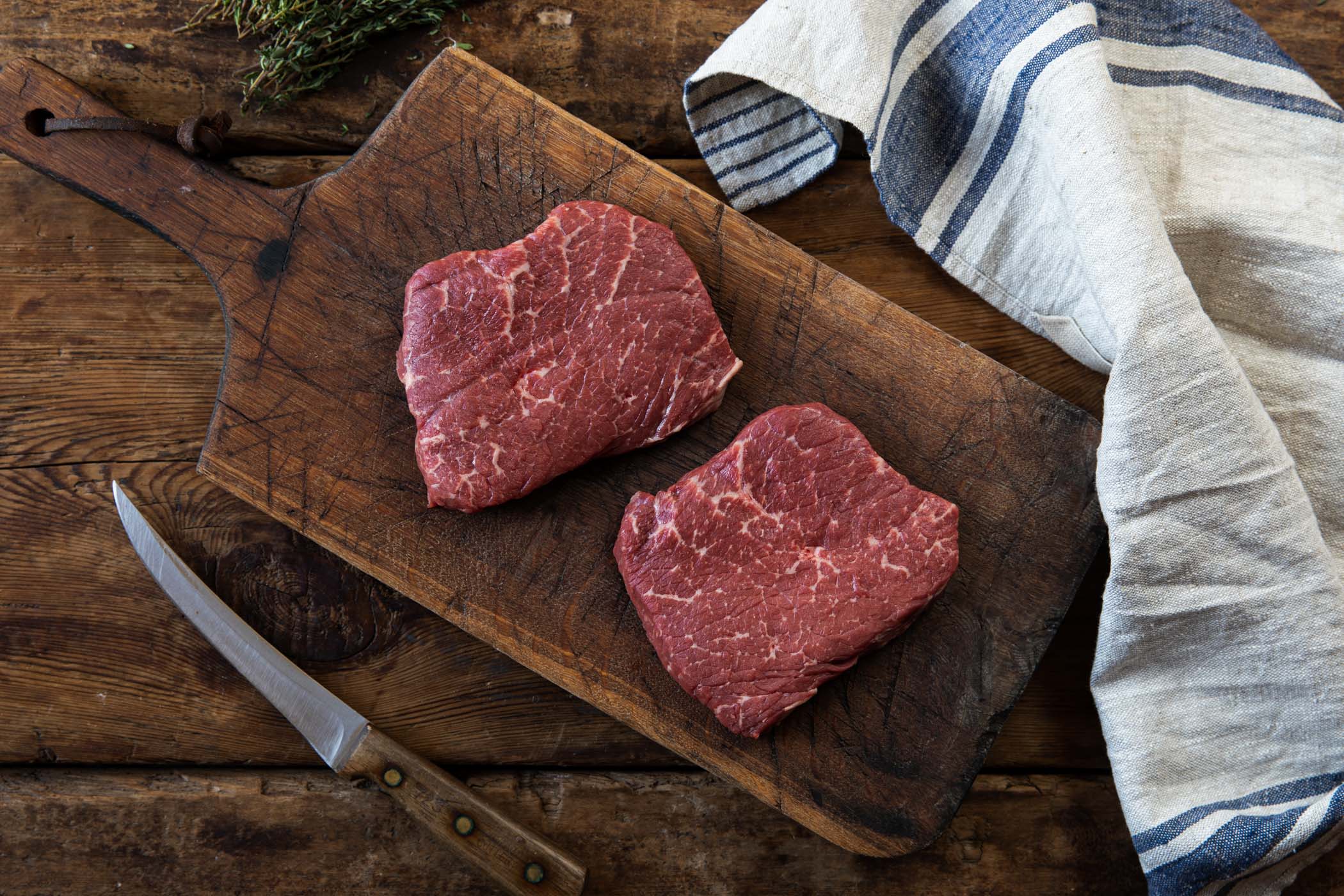
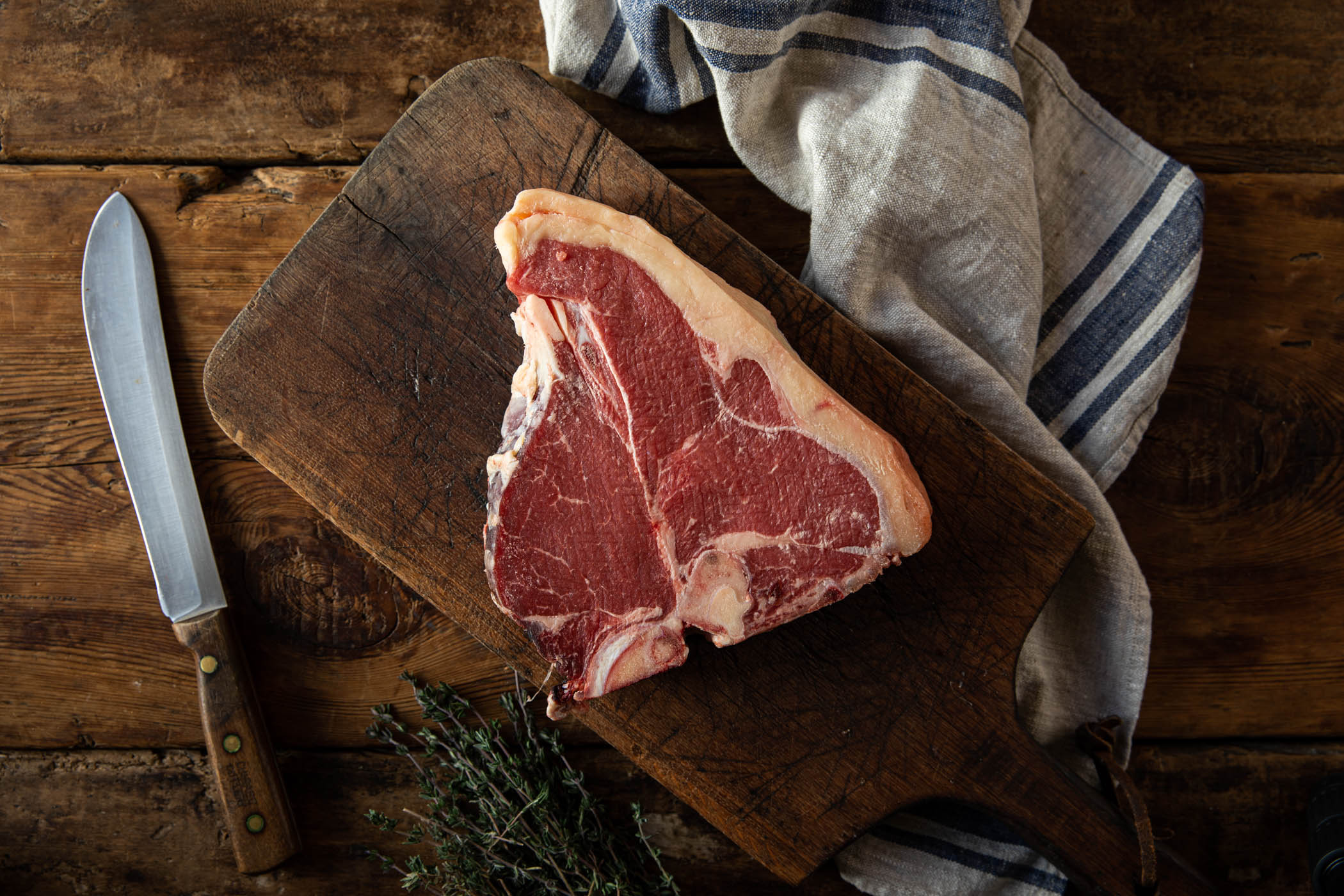
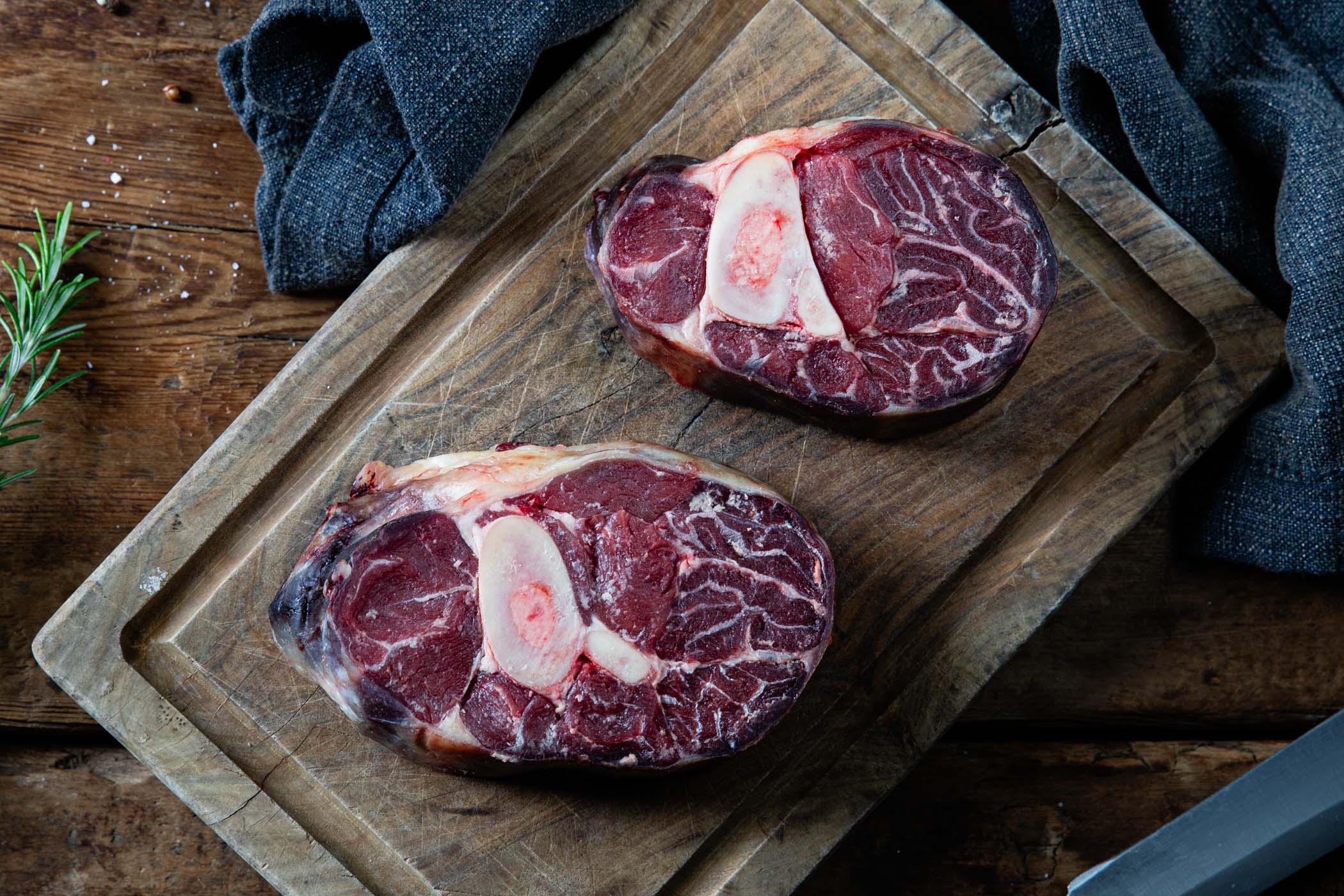
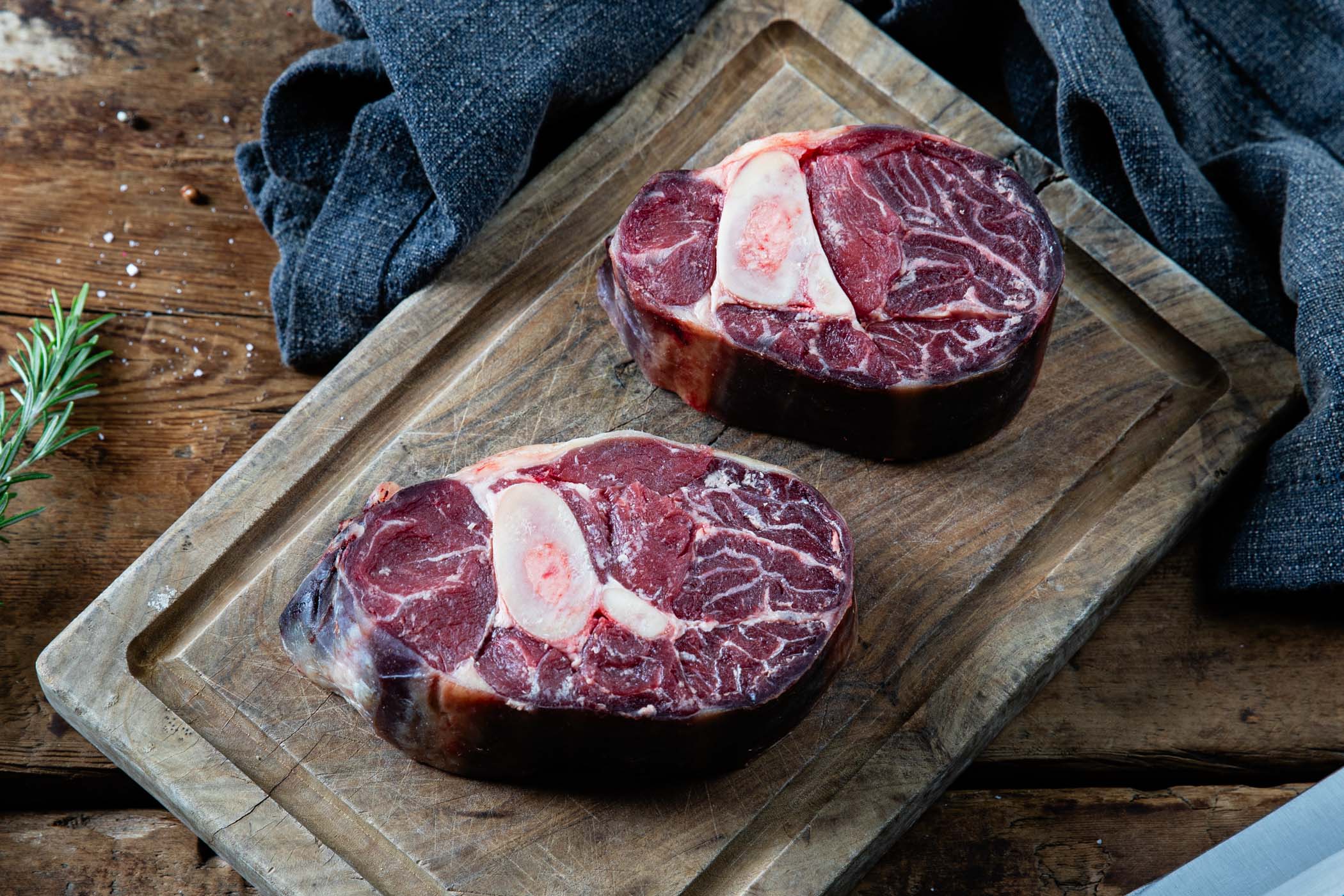
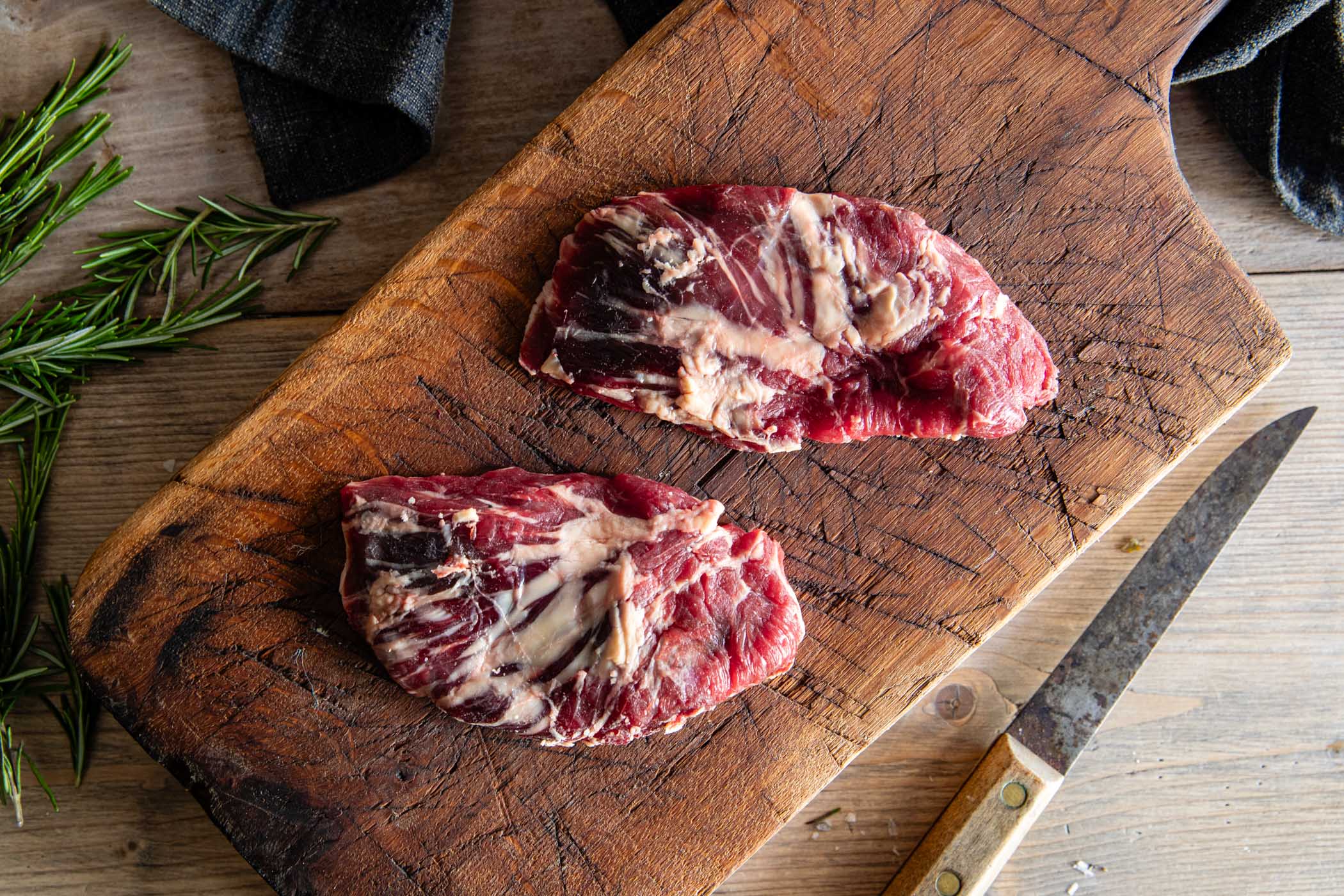
The Spider steak (Australia), also known as Oyster steak (USA), Pope’s Eye (UK) or Araignée (France), is a small, flavourful steak found deep within the aitch or hip bone. Confusingly, the term “Pope’s Eye” can refer to different cuts in various British regions, so we use the name Spider steak. This cut continues on from the rump, supporting the pelvic diaphragm and featuring an intricate web of intramuscular fat.
As there are only two hips per animal, just two spider steaks are available from each beast, making this cut highly prized. It requires expert butchery to remove the steak from the bone and keep it intact.
Chef Val Warner Inspires
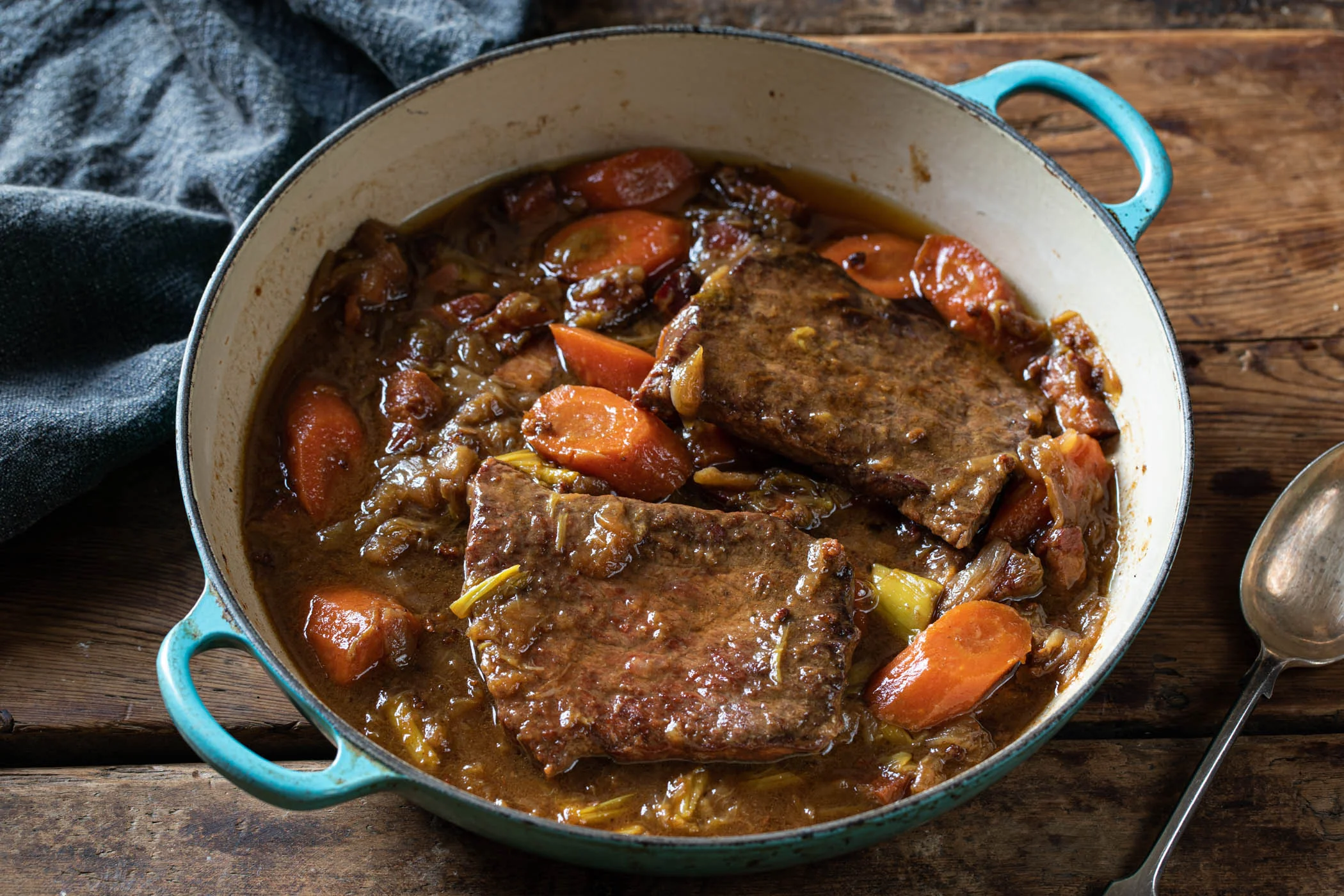
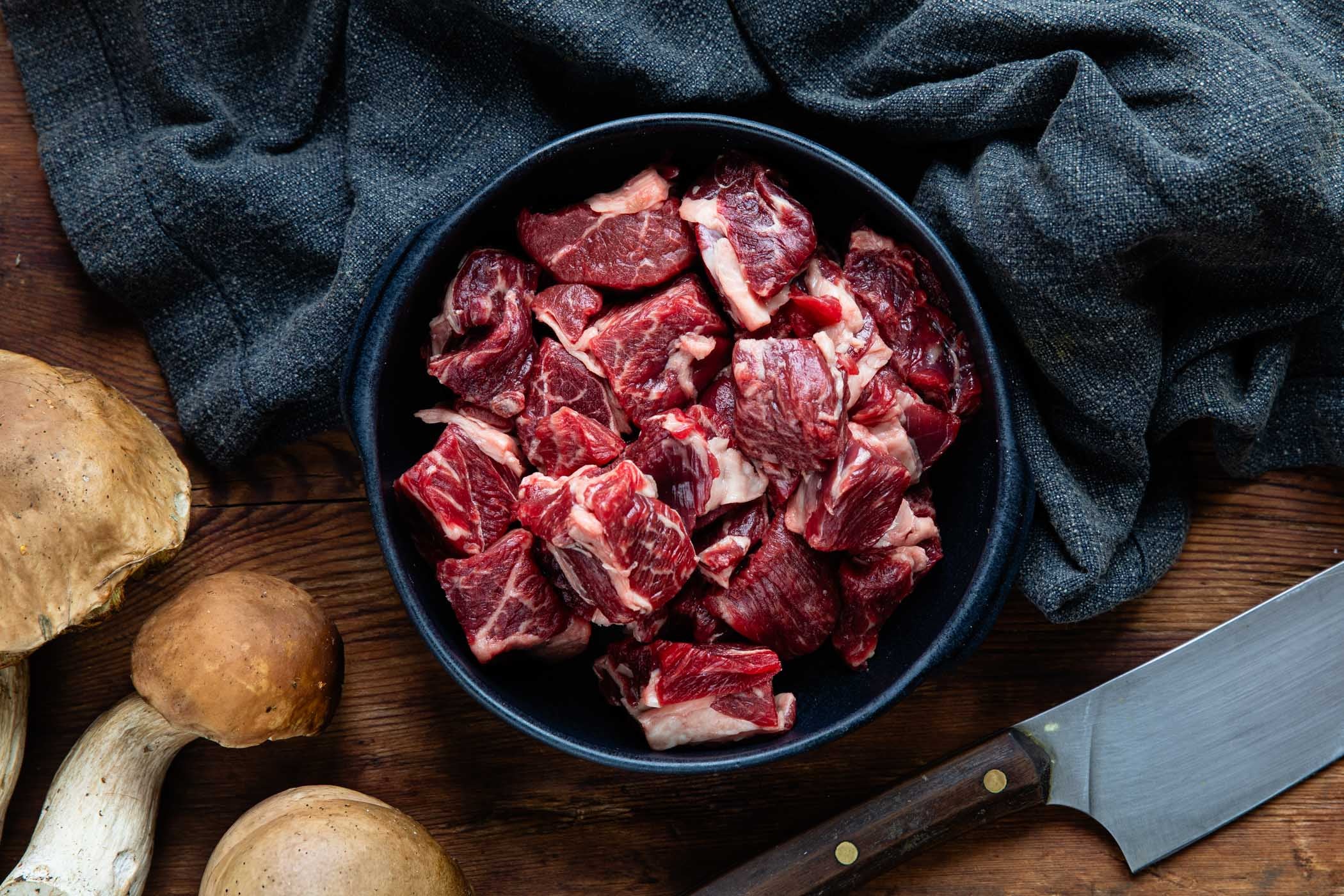
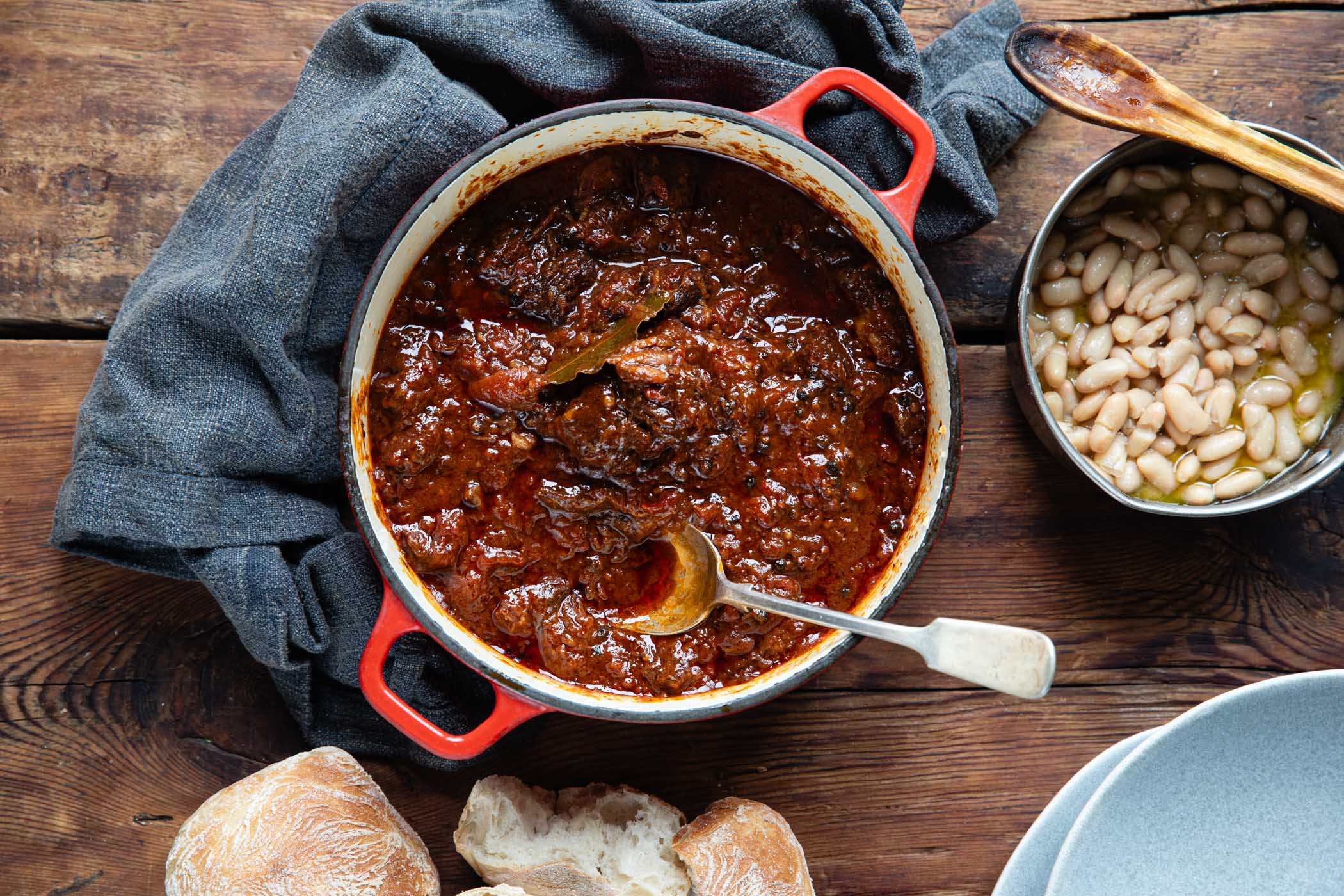
"Whether the intramuscular fat imitates a web or a spider itself is not clear, but either connotation fits. It might look tricky to cook, but it couldn’t be easier and is, in fact, one of the best of the lesser-known or ‘secondary’ steaks. A slow sear that builds colour and cooks it from medium-rare to medium (54–55°C) brings it to its best. Deeply flavoursome, it is surprisingly tender with wonderfully luscious, weeping fat and juiciness in each bite. I’d suggest it also works well in a short braise with white wine and chanterelles, or with bacon, shallots and red wine.
Anchoïade melted over it, or perhaps a citrus, mustard and fresh tarragon butter, would be excellent finishes.
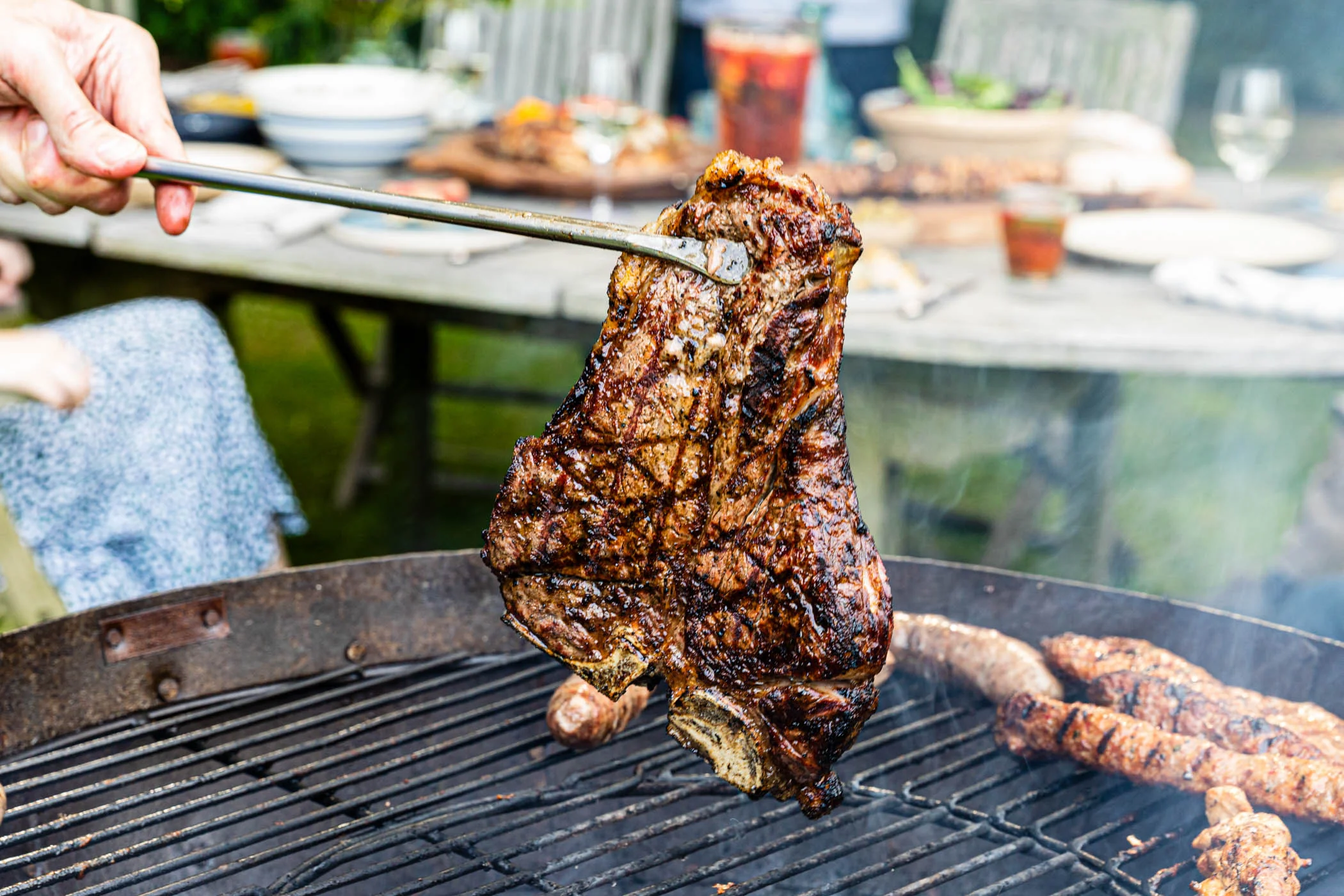
Seared with fresh oregano, cumin and pepper over charcoal, then sliced, it makes great tacos with fried brown cheese and a green or ancho-and-charred-tomato salsa.
Served straight up with a simple green salad, French fries and Dijon mustard would more than do justice to a simply seasoned spider steak. So, so delicious."
The Spider Steak: A Rare, Flavour-Packed Cut
The Spider steak (Australia), also known as Oyster steak (USA), Pope’s Eye (UK) or Araignée (France), is a small, flavourful steak found deep within the aitch or hip bone. Confusingly, the term “Pope’s Eye” can refer to different cuts in various British regions, so we use the name Spider steak. This cut continues on from the rump, supporting the pelvic diaphragm and featuring an intricate web of intramuscular fat.
As there are only two hips per animal, just two spider steaks are available from each beast, making this cut highly prized. It requires expert butchery to remove the steak from the bone and keep it intact.
Chef Val Warner Inspires
"Whether the intramuscular fat imitates a web or a spider itself is not clear, but either connotation fits. It might look tricky to cook, but it couldn’t be easier and is, in fact, one of the best of the lesser-known or ‘secondary’ steaks. A slow sear that builds colour and cooks it from medium-rare to medium (54–55°C) brings it to its best. Deeply flavoursome, it is surprisingly tender with wonderfully luscious, weeping fat and juiciness in each bite. I’d suggest it also works well in a short braise with white wine and chanterelles, or with bacon, shallots and red wine.
Anchoïade melted over it, or perhaps a citrus, mustard and fresh tarragon butter, would be excellent finishes.
Seared with fresh oregano, cumin and pepper over charcoal, then sliced, it makes great tacos with fried brown cheese and a green or ancho-and-charred-tomato salsa.
Served straight up with a simple green salad, French fries and Dijon mustard would more than do justice to a simply seasoned spider steak. So, so delicious."
Original: $15.41
-70%$15.41
$4.62Description
The Spider Steak: A Rare, Flavour-Packed Cut
The Spider steak (Australia), also known as Oyster steak (USA), Pope’s Eye (UK) or Araignée (France), is a small, flavourful steak found deep within the aitch or hip bone. Confusingly, the term “Pope’s Eye” can refer to different cuts in various British regions, so we use the name Spider steak. This cut continues on from the rump, supporting the pelvic diaphragm and featuring an intricate web of intramuscular fat.
As there are only two hips per animal, just two spider steaks are available from each beast, making this cut highly prized. It requires expert butchery to remove the steak from the bone and keep it intact.
Chef Val Warner Inspires
"Whether the intramuscular fat imitates a web or a spider itself is not clear, but either connotation fits. It might look tricky to cook, but it couldn’t be easier and is, in fact, one of the best of the lesser-known or ‘secondary’ steaks. A slow sear that builds colour and cooks it from medium-rare to medium (54–55°C) brings it to its best. Deeply flavoursome, it is surprisingly tender with wonderfully luscious, weeping fat and juiciness in each bite. I’d suggest it also works well in a short braise with white wine and chanterelles, or with bacon, shallots and red wine.
Anchoïade melted over it, or perhaps a citrus, mustard and fresh tarragon butter, would be excellent finishes.
Seared with fresh oregano, cumin and pepper over charcoal, then sliced, it makes great tacos with fried brown cheese and a green or ancho-and-charred-tomato salsa.
Served straight up with a simple green salad, French fries and Dijon mustard would more than do justice to a simply seasoned spider steak. So, so delicious."